
Commercial Septic Tank Pumping in Miami, South and Central Florida
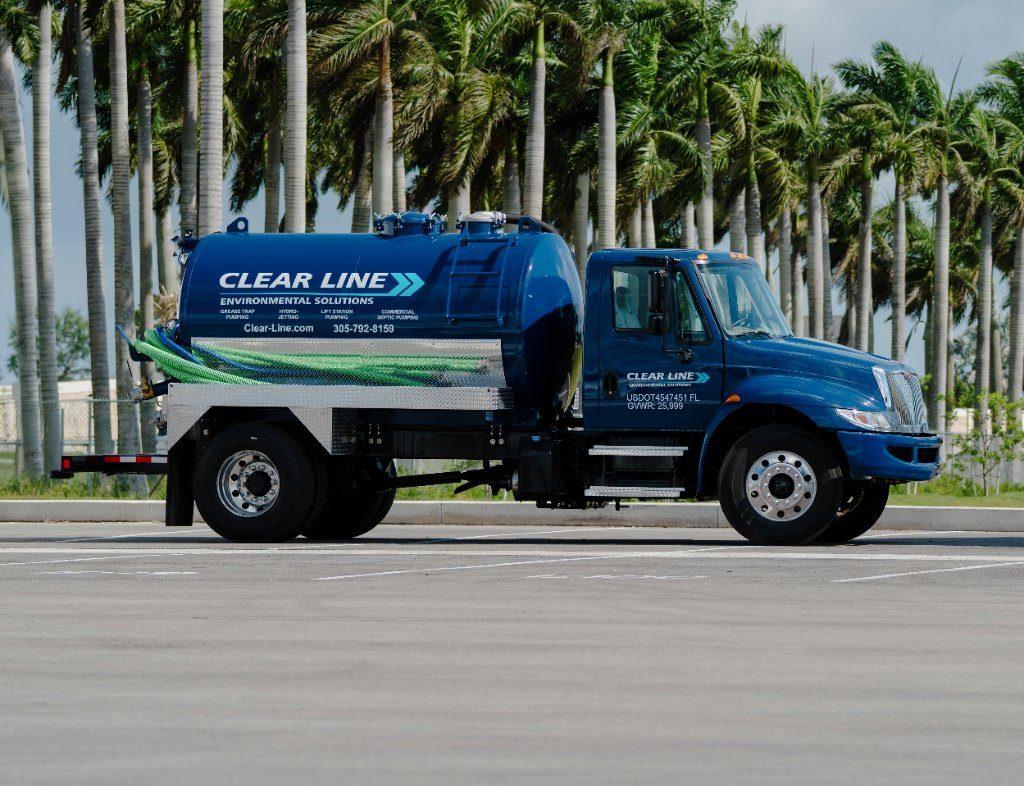
Clear Line and our Partner Network handle pumping and inspection of commercial septic tanks, including large and multi-tank systems, for businesses, plazas, churches, schools and rural facilities from Miami to the Treasure Coast, Orlando and Naples. A licensed septic contractor from our network does the pumping; we schedule it, stay your single point of contact, send you the pumping record and bill you once, alongside your grease trap or lift station service if you have one. Emergency dispatch runs 24/7.
Key facts
- Systems
- Single and multi-tank commercial systems, lift-assisted systems, holding tanks
- Frequency
- Depends on tank size and daily flow; busy sites often every 6–12 months
- Regulator
- Florida DEP's onsite sewage program (since July 1, 2021)
- How it works
- One call to Clear Line; a licensed septic contractor from our network pumps the tank; one invoice
- Emergencies
- 24/7 dispatch of the nearest crew for backups, overflows and alarms
What commercial septic service includes
A commercial septic system works much harder than a household one: more people, more water, and often kitchen waste. When solids build up past the tank's capacity they wash into the drainfield, and a clogged drainfield is far more expensive to fix than a pump-out.
- Complete pump-out of sludge, scum and liquid from every compartment
- Inspection of inlet and outlet baffles, tees and effluent filters
- Effluent filter cleaning where installed
- Check of risers, lids and access for safety and odor
- Notes on drainfield warning signs: wet spots, odor, lush grass
- Transport to a permitted disposal facility
- Pumping record for your files, with the next recommended date
How a septic pumping job runs
- 01
Schedule
Book online or by phone with Clear Line. We book the visit around your business hours and confirm where the tank lids are before the truck arrives.
- 02
Uncover & pump
The technicians open the access ports and pump every compartment with vacuum equipment sized for the job.
- 03
Inspect
They check baffles, filters and visible components and note anything that needs repair.
- 04
Document
We send you the pumping record, the recommended interval for your actual usage and one invoice.
How often should a commercial septic tank be pumped?
It depends on tank size, how many people use the building, and what goes down the drains. A small office with light use may go a few years between pump-outs; a busy restaurant, school or plaza on septic often needs pumping every 6 to 12 months. The reliable way to set your interval is to measure sludge and scum at each visit, which we record, and adjust from there.
Who regulates septic systems in Florida
Since July 1, 2021, Florida's onsite sewage (septic) program has been run by the Florida Department of Environmental Protection instead of the Department of Health. Permits for new systems, repairs and modifications go through DEP, and the program's technical standards come from the onsite sewage rules.
In Miami-Dade, many commercial corridors are being moved from septic to public sewer under the county's Connect 2 Protect program. When a property connects to sewer, the old tank has to be pumped out and properly abandoned according to the permit for that work. We can take care of the final pump-out and coordinate it with your plumber.
Keep pumping vs. connect to sewer
If your property is in a Connect 2 Protect or city septic-to-sewer area, this is the decision you'll eventually face.
| Criteria | Stay on septic | Connect to public sewer |
|---|---|---|
| Upfront cost | Stay on septic:None beyond regular pumping | Connect to public sewer:Connection, plumbing and impact fees (program help may apply) |
| Ongoing cost | Stay on septic:Scheduled pump-outs and drainfield care | Connect to public sewer:Monthly sewer bill |
| Risk | Stay on septic:Drainfield failure if pumping is skipped | Connect to public sewer:Low: the utility maintains the public line |
| What happens to the tank | Stay on septic:Stays in service | Connect to public sewer:Must be pumped and properly abandoned. We do that pump-out. |
Signs your septic system needs attention
- Slow drains or gurgling in several fixtures at once
- Sewage odor indoors or around the tank or drainfield
- Wet, spongy ground or standing water over the drainfield
- Unusually green grass over the tank or drainfield
- Backups in the lowest fixtures in the building
- A septic alarm going off on systems with a pump chamber
Google reviews
What our customers say
- Google
“Excellent Service. Highly recommend this company. Honest & reliable. Grease trap is smiling. Thank you.”
Lorraine Byrden - Google
“Clear Line Environmental exemplifies the highest level of professionalism. They consistently honor their commitments and deliver exceptional service every time.”
Gino Dominguez - Google
“Great operator left our grease trap spotless!”
William Golik - Google
“Clear Line Environmental Solutions in Miami, FL has been a great company to work with. They're known for reliable service and a truly professional team.”
Raul J. Muniz
Frequently asked questions
How often should a commercial septic tank be pumped?
It depends on tank size and daily flow. Lightly used buildings may go a few years between pump-outs, while restaurants, schools and plazas on septic often need pumping every 6 to 12 months. Sludge and scum are measured at each visit to set the right interval.
Who regulates septic systems in Florida now?
The Florida Department of Environmental Protection. The onsite sewage program moved from the Department of Health to DEP on July 1, 2021.
What are the signs my commercial septic system is failing?
Slow drains in several fixtures, sewage odor, wet or spongy ground over the drainfield, unusually green grass, and backups in the lowest fixtures. Call for a pump-out and inspection before the drainfield is damaged.
My Miami-Dade property is connecting to sewer. What happens to the septic tank?
Under programs like Connect 2 Protect, the old tank is taken out of service. It has to be pumped out and properly abandoned according to the permit for the connection work. We take care of the final pump-out and can coordinate with your plumber.
Do you provide records after pumping?
Yes. After every visit we send you a pumping record noting the date, the tank and the recommended next service date.
Can you pump large or multi-tank systems?
Yes. We match the job to a crew with high-capacity vacuum trucks for large commercial tanks and multi-compartment systems, usually done in a single visit.
Do you offer emergency septic pumping?
Yes. Our line is answered 24/7, and for backups and overflows we send the nearest crew anywhere we cover, from South Florida to the Orlando area and Naples.
Further reading
- Hurricane Season Readiness: Protecting Your Pumping Systems in MiamiHow to get septic tanks, lift stations, grease interceptors and storm drains ready for hurricane season, and what to do after a flood.
- Emergency Plumbing Tips for Miami HomeownersWhat to do in the first minutes of a plumbing emergency: find the main shut-off, protect the water heater, and know when to call a pro.
- Signs Your Septic Tank Needs Pumping in MiamiSlow drains, gurgling, odors and soggy ground over the drainfield: the warning signs a septic tank is due, and how often tanks need pumping.
Official sources
- Florida Department of Environmental Protection: Onsite sewage program transfer to DEP
- Cornell LII (Florida Administrative Code): Chapter 62-6, F.A.C. — Standards for onsite sewage treatment and disposal systems (formerly 64E-6)
- Miami-Dade Water and Sewer Department: Connect 2 Protect: septic-to-sewer program
Last reviewed:
Ready to get on a schedule?
Free estimate, flat pricing, and the paperwork handled at every visit.