
Compliance guides for South Florida businesses
Grease, sewer and septic rules come from different agencies: the county, your sewer utility and the state. These guides explain who regulates what, what you have to keep on file, and what an inspector looks for. Every rule links to the official source.
Guides
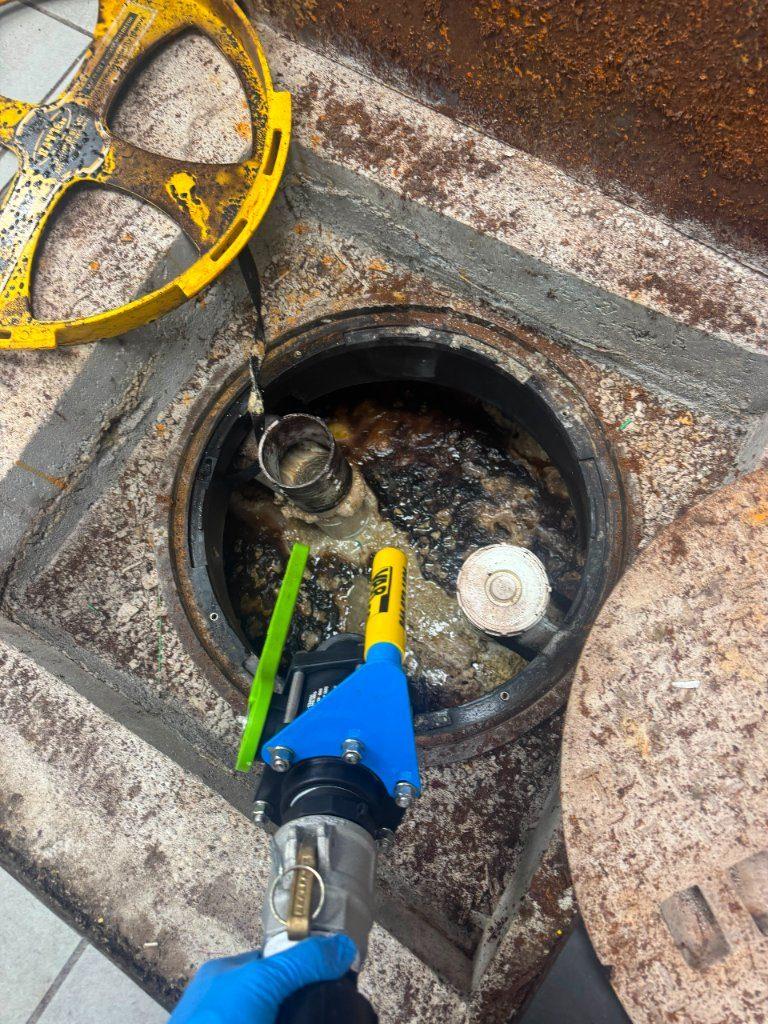 Miami-Dade grease (FOG) permit: who needs one and what it requiresWho needs a Miami-Dade DERM grease (FOG) permit, what it requires, how often to pump, which haulers to use and which records to keep on site.2026-11-10Read the guide
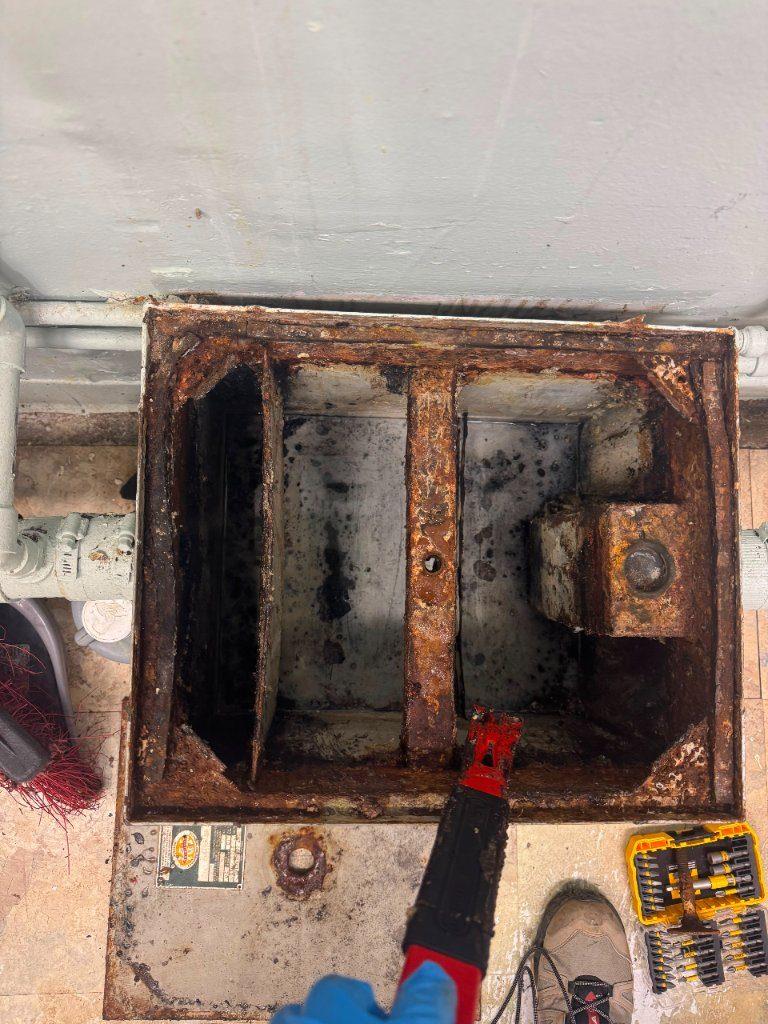 Grease trap rules in Broward and Palm Beach, utility by utilityWho runs grease trap (FOG) rules in Broward and Palm Beach: pump-out, records and hauler rules utility by utility, with the official source for each.2026-11-10Read the guide
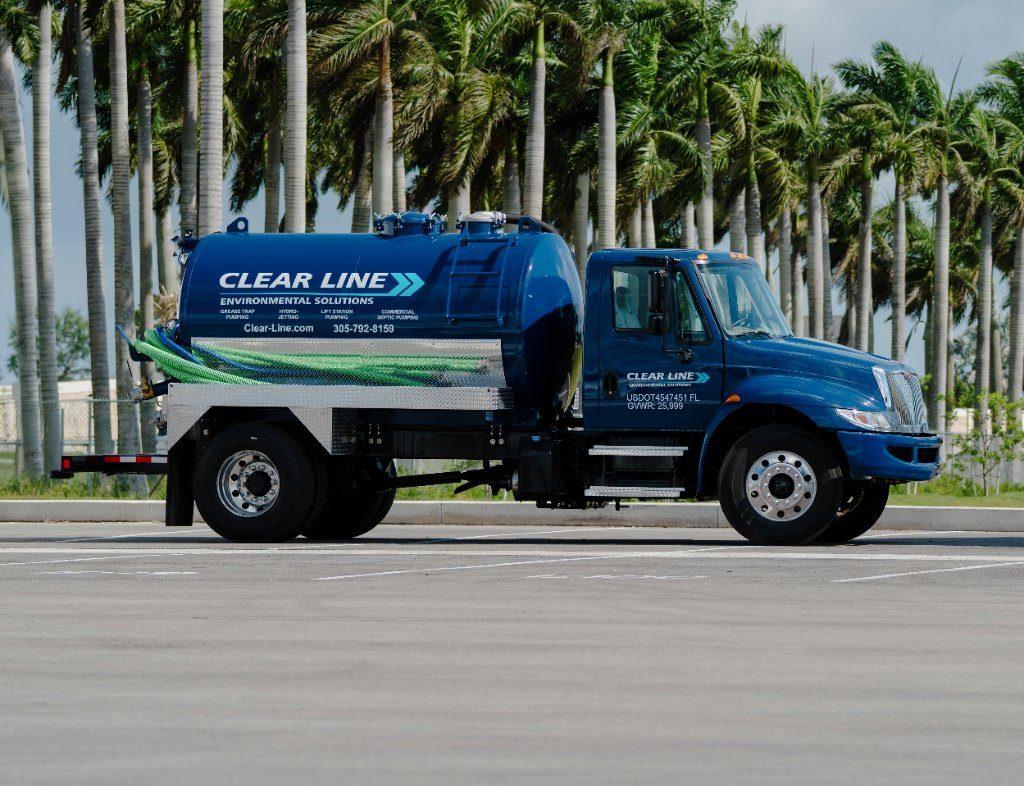 Florida's grease hauler and manifest rules: what restaurants must doWhat s. 403.0741, F.S. and DEP rule 62-705 require of Florida restaurants and grease haulers: DEP licenses, manifest fields, signatures and records.2026-11-10Read the guide
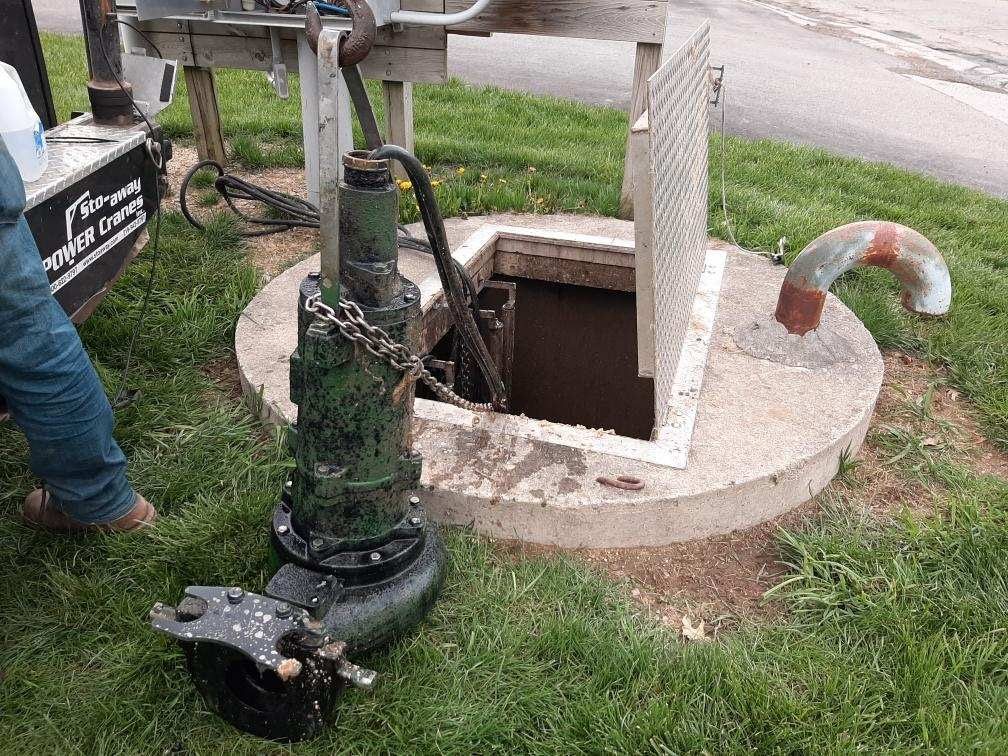 Private lift stations in Miami-Dade: PSO permit, service agreement and RTUWhat Miami-Dade DERM requires of private lift station owners: the yearly PSO permit, the service agreement, RTU telemetry, ET readings and records.2026-11-10Read the guide
- Commercial septic in Florida: DEP rules, sewer hookup and Connect 2 ProtectFlorida rules for commercial septic: DEP permits, the 365-day sewer connection rule, Miami-Dade's Connect 2 Protect and how to abandon a tank properly.2026-11-10Read the guide
The big picture
Who regulates what
Miami-Dade runs one county-wide grease program. In Broward and Palm Beach, your sewer utility usually does. Statewide rules cover the haulers who pump your trap and the manifests they leave.
Get a free quote
Plain-English guides to South Florida's grease permit, hauler manifest, lift station and septic rules, each cited to the official county and state sources.