
Maintenance ·
Hurricane Season Readiness: Protecting Your Pumping Systems in Miami
Prepare pumping systems before hurricane season starts on June 1: pump septic tanks and service lift stations while the ground is dry, test backup power and floats, secure interceptor lids, and clean storm drains. After a flood, limit water use until the ground drains and call for service if anything backs up.
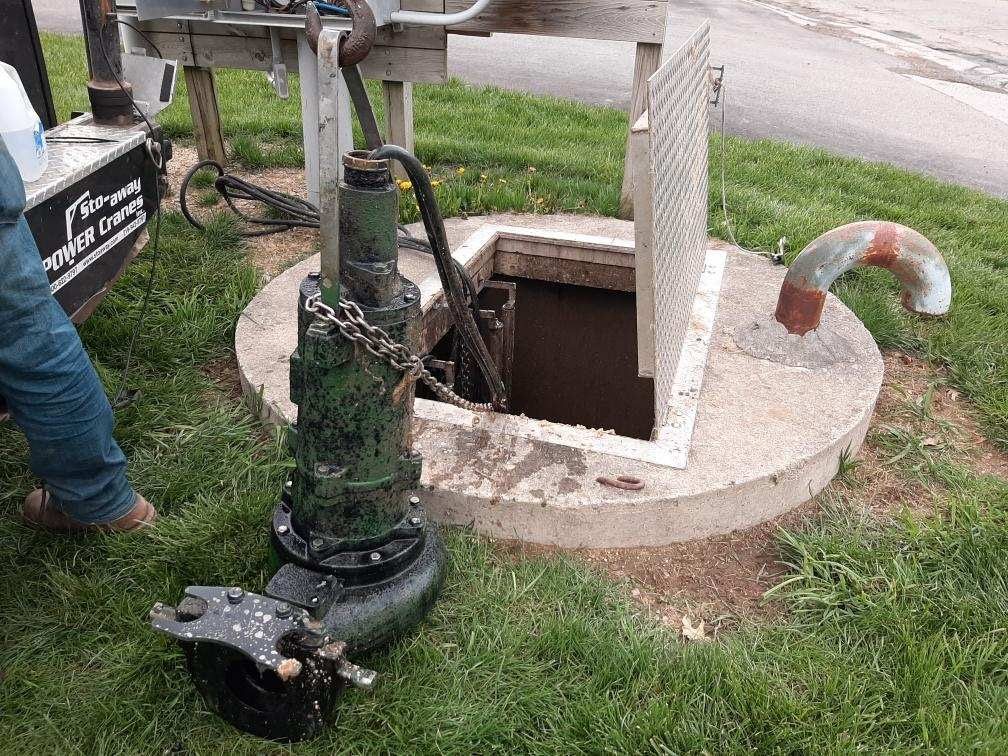
What storms do to wastewater systems
- Saturated ground stops a drainfield from absorbing effluent
- Power outages stop lift station pumps unless there is backup power
- Runoff washes silt and debris into storm drains and outdoor interceptors
Pre-season checklist
- Septic: pump before the rainy season if the tank is due, not once the ground is already saturated
- Lift stations: test backup power and alarms, clean floats, pump the wet well
- Grease interceptors: confirm lids are secure and sealed so floodwater can't get in
- Storm drains: clean catch basins and lines so the site can drain
After a flood
Use as little water as possible until the ground drains. If a lift station fails or wastewater backs up, call us. Our 24/7 line sends a crew for emergency pumping across South and Central Florida, so commercial sites can reopen once the water recedes.
Related services and areas
Last reviewed:
More from the blog
- The Property Manager's Guide to Commercial Pumping in MiamiHow property managers keep grease traps, lift stations and storm drains maintained across a portfolio with one schedule and clean records.
- Emergency Plumbing Tips for Miami HomeownersWhat to do in the first minutes of a plumbing emergency: find the main shut-off, protect the water heater, and know when to call a pro.
- Signs Your Septic Tank Needs Pumping in MiamiSlow drains, gurgling, odors and soggy ground over the drainfield: the warning signs a septic tank is due, and how often tanks need pumping.
Need this handled?
Free estimate, flat pricing, and the paperwork handled at every visit. Dispatch answers 24/7.