
Compliance ·
How to Stay Compliant with Miami-Dade FOG Regulations
To comply with Miami-Dade's grease rules, a food service business needs a current DERM grease discharge operating permit, a properly sized trap or interceptor, pump-outs on the schedule in that permit by a permitted hauler, and a manifest and log entry for every service kept on site.
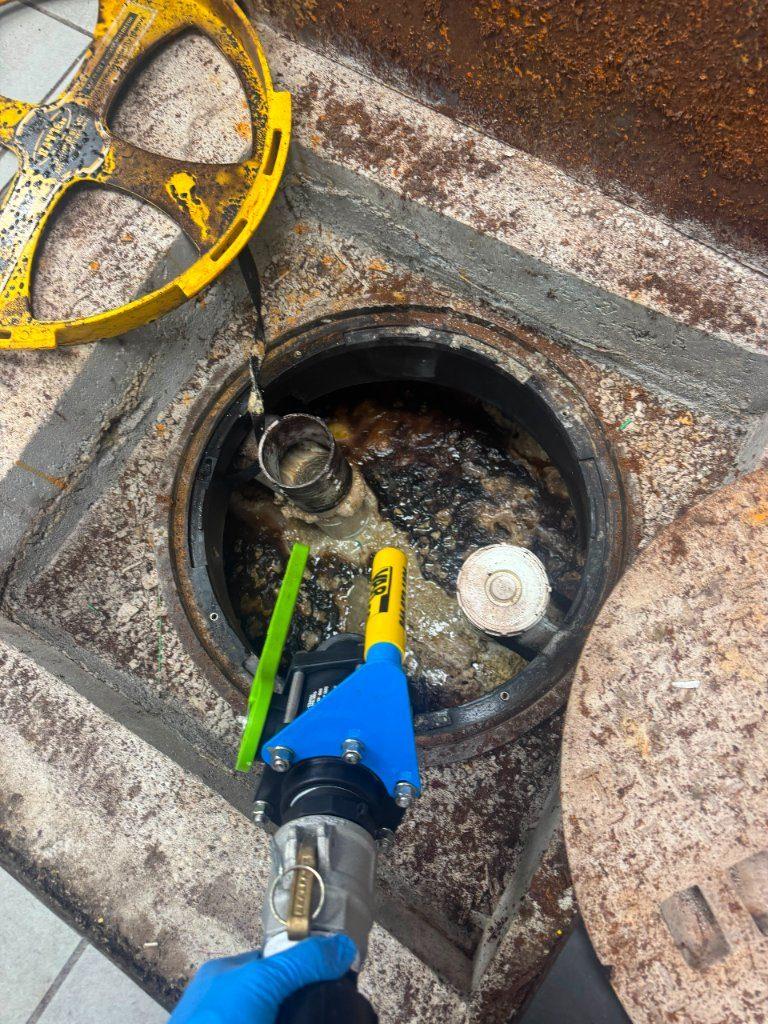
What the rules cover
- Equipment: an approved grease trap or interceptor sized for your discharge
- Frequency: pump-outs on the schedule your permit sets
- Hauling: waste transported by a permitted grease waste hauler to an approved facility
- Records: manifests and a maintenance log available for inspection
What happens if you fall behind
The county can issue violations and require corrective action, and repeated problems lead to re-inspections and added cost. Grease buildup also damages your own plumbing and can cause overflows that are expensive to clean up.
How we help
We match a pump-out schedule to your permit, service the trap or interceptor, and leave the manifest and service report so your records are complete when an inspector visits.
Related services and areas
Last reviewed:
More from the blog
- Why Miami-Dade Restaurants Can't Afford to Skip Grease Trap Pumping During the World CupBig crowds mean more grease. Why Miami restaurants should tighten pump-out schedules during the World Cup and other peak seasons.
- The Restaurant Owner's Checklist for Miami DERM InspectionsA pre-inspection checklist for Miami-Dade restaurants: grease discharge permit, pump-out logs, hauler manifests and trap condition.
- The Property Manager's Guide to Commercial Pumping in MiamiHow property managers keep grease traps, lift stations and storm drains maintained across a portfolio with one schedule and clean records.
Need this handled?
Free estimate, flat pricing, and the paperwork handled at every visit. Dispatch answers 24/7.