Grease Trap Pumping in Miami-Dade
Clear Line Environmental Solutions keeps Miami kitchens flowing and compliant. We provide licensed grease trap pumping for restaurants, hotels, commercial kitchens, and food-processing facilities across Miami-Dade, Broward, and Palm Beach with 24/7 emergency response. Whether you run a single café or a portfolio of properties, we remove fats, oils, and grease (FOG) before it becomes a backup, a health-code problem, or a DERM fine.
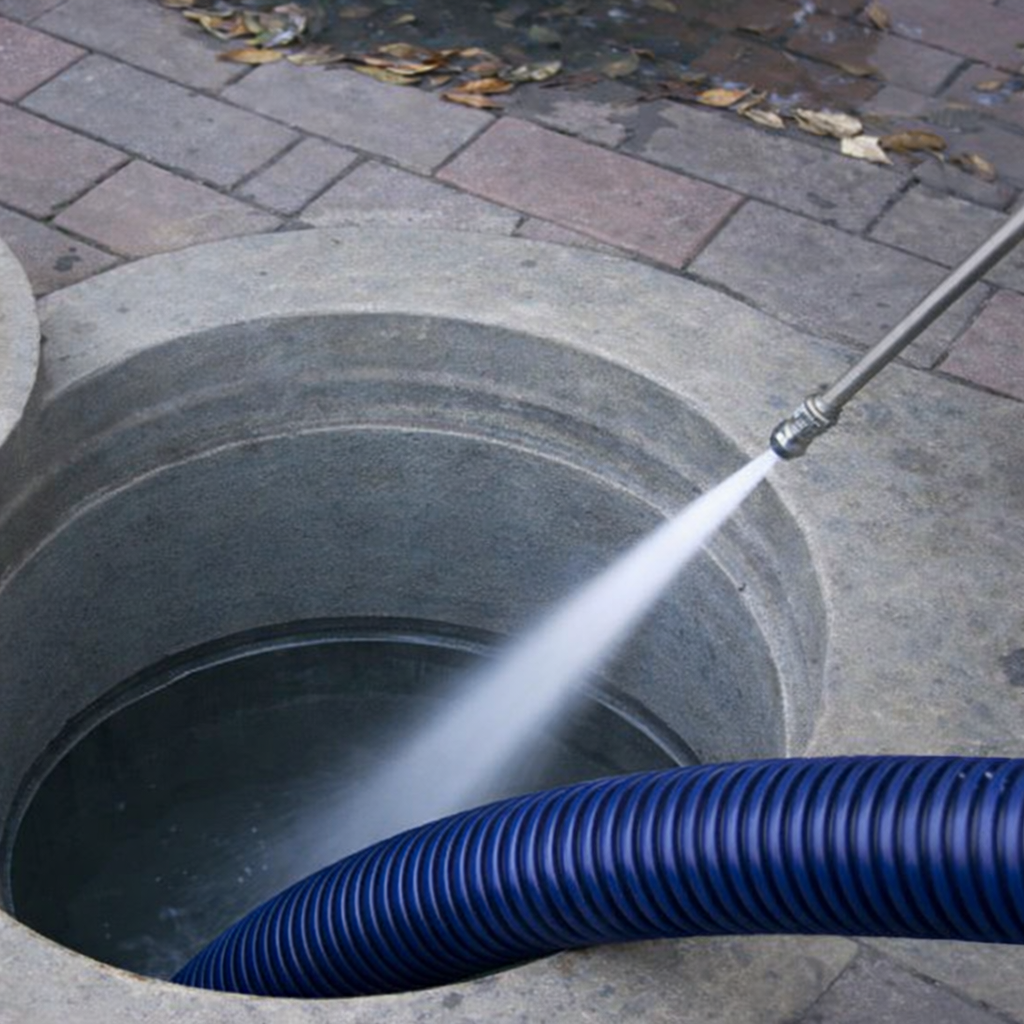
Comprehensive Grease Waste Management for Restaurants and Commercial Kitchens
Our complete grease trap service is designed to handle all your grease waste needs with precision.
Flexible Scheduling
Early morning, evening, and weekend appointments available
Fully Licensed
Licensed for waste transport and disposal in Florida
Documentation
Complete manifests and disposal certificates provided
All Sizes
From 20-gallon traps to 2,000+ gallon interceptors
Our Professional Grease Trap Cleaning Process
Schedule
Book online or call for a free estimate. We work around your kitchen's schedule.
Arrive
Uniformed technician arrives with proper equipment.
Service
Complete pumping, cleaning, and thorough inspection of the grease interceptor.
Document
Receive your official manifest and grease disposal certificate for your records.
Why On-Time Grease Trap Pumping Matters
A grease trap only works when it has room to work. As FOG accumulates, it hardens, narrows your lines, and eventually pushes back into sinks and floor drains — usually during your busiest service. Beyond the mess, Miami-Dade County regulates FOG discharge closely, and lapsed maintenance is one of the most common reasons kitchens fail inspection.
How Often Should a Grease Trap Be Pumped in Miami?
The industry standard is the "25% rule": pump the trap once FOG and solids fill roughly a quarter of its total capacity. In practice, most Miami restaurants land on a 30-to-90-day cycle, and Miami-Dade sets minimum frequencies by device type — typically monthly for smaller hydromechanical interceptors and at least every 60 days for gravity interceptors, or up to 180 days where an approved monitoring device is installed. High-volume fryers and taquerias often need service more often. Not sure where you fall? We'll assess your trap and build a schedule that keeps you compliant without over-servicing.
Signs Your Grease Trap Needs Pumping Now
Serving Miami-Dade and South Florida
We service commercial kitchens across Miami, Miami Beach, Hialeah, Doral, Coral Gables, Kendall, Homestead, and the wider Miami-Dade, Broward, and Palm Beach areas. Local crews mean faster arrival times and technicians who already know DERM's requirements — no learning curve, no missed paperwork.
Stay DERM & GDO Compliant
Every non-residential food service establishment that discharges FOG into the county sewer needs an annual Grease Discharge Operating (GDO) permit, and must keep cleaning manifests on file for at least three years. Clear Line handles the pump-out and hands you the documentation that proves compliance — so an inspection is a formality, not a fire drill. Ask us about recurring scheduled service that keeps your records current automatically.
Grease Trap Maintenance & Compliance FAQ
How often should I pump my grease trap for compliance?
Most Miami-Dade restaurants require service every 30-90 days to remain compliant with local grease waste regulations. High-volume kitchens may need more frequent service. We offer free estimates to help you determine the ideal schedule for your facility.
Do you provide compliance documentation?
Yes, we provide complete manifests and disposal certificates for every service, ensuring you have the documentation needed for health inspections.
Can you service during off-hours?
Absolutely. We offer early morning, evening, and weekend appointments to minimize disruption to your restaurant operations.
What size grease traps do you service?
We service all sizes, from small 20-gallon interior traps to large 2,000+ gallon outdoor interceptors.
What happens if I don't clean my grease trap regularly?
Neglecting regular cleaning leads to severe consequences, including foul odors, slow-draining sinks, and eventually, complete line backups that can shut down your kitchen. Beyond operational issues, you risk heavy fines from Miami-Dade DERM and potential health department violations. Our free estimates help you establish a preventative schedule to avoid these costly emergencies.
Do you service indoor and outdoor grease traps?
Yes. Clear Line is equipped to handle both small indoor 'under-the-sink' grease traps and large outdoor grease interceptors. Whether you have a 20-gallon unit in a boutique cafe or a 2,000-gallon tank for a large hotel, our licensed technicians have the specialized vacuum equipment to ensure a thorough clean.
Are you licensed to dispose of grease waste in Miami-Dade?
Absolutely. Clear Line is a fully licensed and insured grease waste hauler. We follow all local and state regulations for the legal transport and disposal of grease waste. After every service, we provide you with a manifest and disposal certificate, which is your proof of compliance for health inspectors and DERM officials.
Can you help with a grease trap that is already overflowing?
Yes, we offer 24/7 emergency grease trap pumping in Miami and the surrounding areas. If you are experiencing a backup or overflow, call us immediately. We will dispatch a technician to clear the blockage and pump out the trap to get your business back up and running as quickly as possible.
How much does grease trap pumping cost in Miami?
Pricing depends on trap size and how much FOG has accumulated. Small under-sink units typically run a few hundred dollars, while large in-ground interceptors cost more per service. Recurring scheduled service usually lowers your per-visit cost. Contact us for a flat, no-surprise quote based on your trap.
How often does Miami-Dade require grease traps to be cleaned?
Miami-Dade sets minimum frequencies by device — generally monthly for hydromechanical interceptors and at least every 60 days for gravity interceptors (up to 180 days with an approved monitoring device) — and the trap must always be cleaned before FOG reaches 25% of capacity. Most restaurants fall on a 30-to-90-day schedule.
What is a GDO permit?
A Grease Discharge Operating (GDO) permit is an annual permit issued by Miami-Dade DERM to food service establishments that discharge FOG into the county sewer. You must keep service manifests on file for at least three years — documentation we provide with every pump-out.
What happens during a grease trap pump-out?
We vacuum out all FOG, wastewater, and food solids, scrape and scrub the trap's interior, inspect the inlet and outlet, dispose of the waste through a permitted hauler, and give you a digital manifest for your records.
Do you offer emergency grease trap service?
Yes. We provide 24/7 emergency grease trap pumping across Miami-Dade for backups and overflows, with same-day response on most calls.